COMMON NAME
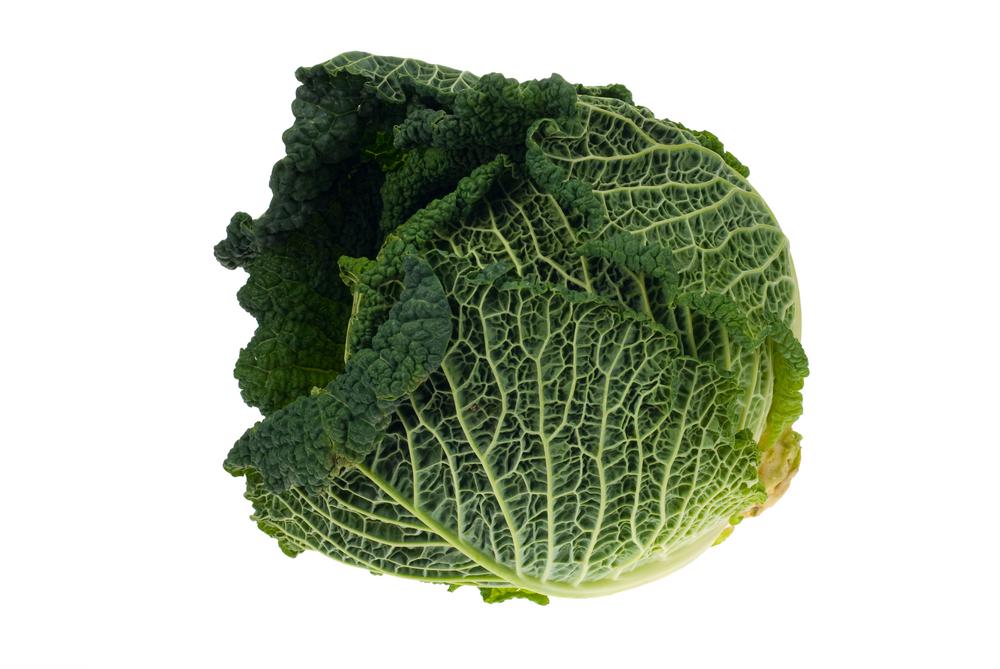
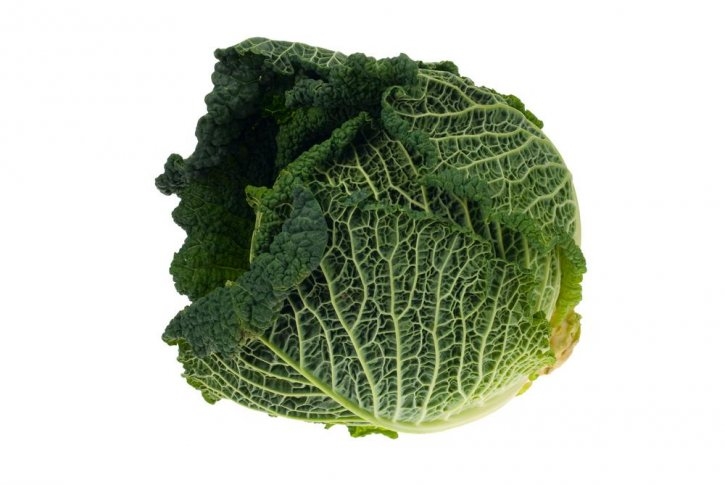
It is most commonly known as cabbage. In other
languages, this plant is known as Collard, Chou Cavalier, Collard Greens, Cow
Cabbage, Spring Heading Cabbage, Tall Kale and Winter Greens, among others.
TAXONOMICAL NAME
This species is part of the Brassicaceae or
Cruciferae plant family. The general botanical name is Brassica oleracea
L. However, from this general name, many phenotypical varieties arise. The
latter are used both in the food and herbal industry, with some names standing
out: B. oleracea var. acephala DC (kale), B. oleracea var. capitata
L. (traditional cabbage), B. oleracea var. italica Plenk (broccoli),
and B. oleracea var. viridis.
Description
Cabbage is a cruciferous vegetable plant. The
dark and fleshy leaves are the main characteristic of the plant, which are
traditionally cooked as a staple food. It has been grown in western agriculture
since a long time. As an example, it was grown in the South of the United
States since the beginning of the XIX century and became a key staple food for
people during the American Civil War. Regarding the etymology of the common
English name, “collard”, it comes from the word “colewort”, which is a term
used to describe the cabbage plant when it has not formed the compact “head”
yet. The metabolic composition is notably rich in different compounds derived
from sulphur.
Part used
Aerial parts are used for medicinal formulas
and consumption. More specifically, what is used is the juice, aqueous extract,
and the leaf (fresh, cooked or fermented) of cabbage and kale. In the
particular case of broccoli, other parts are also used: the juice, whole mature
inflorescences (fresh or cooked), and fresh sprouts and seeds, which are rich
in oils.
Active compounds
The different varieties of Brassica oleracea
stand out thanks to plenty of sulphur and nitrogen compounds, notably
glucosinolates. These are divided into aliphatic glucosinolates (like
sinigroside, glucoiberin, glucoerucin and progoitin) and indolic ones (such as
glucobrassicin). There is also an enzyme in the plant’s cells called myrosinase
(a thioglusidase), which is stored separately. When the tissue is damaged by
chewing or cuts, myrosinase interacts directly with glucosinolates. This
catalyses a hydrolysis reaction that results in the synthesis of indoles
(indole-3-acetonitrile, Indole-3-Carbinol and 3,3'-Diindolylmethane), nytril
and bioactive isothiocyanates like sulforaphane.
The phytochemical profile of cabbage also
includes S-methylcysteine sulphoxide and ascorbigen. It provides high
proportions of phenolic compounds such as sinapic, ferulic, caffeic and
p-coumaric acids. There are plenty of flavonoids (quercetin derivatives, kaempferol,
isorhamnetin, apigenin and rutoside), tannins, sterols, saponins, terpenes and
anthocyanidins. In addition, it provides fats, fatty acids (in the seed:
palmitic, stearic, oleic, linoleic and erucic acids), carotenoids (lutein,
β-carotene, zeaxanthin), vitamins B, C, E, K, U and inositol.
Pharmacological action
Indications
In traditional uses, cabbage is prescribed
orally to counteract affections such as gastroduodenal ulcer, constipation
(used to regulate bowel transit), scurvy and to sooth irritated stomachs. It is
also advised in case of certain clinical pathologies like anaemia,
cardiovascular disorders, diabetes, obesity, macular degeneration and glaucoma.
When applied on the skin, boiled leaves pressed as a compress are effective to
favour the healing of venous ulcers, skin eczema, dermatitis and breast
inflammation during lactation. Regarding the high dietary intake, it is highly
advised due to its preventive and healing properties. The aim is to delay and
help reverting the promotion of systemic carcinogenic process, as well as to
counteract the development of breast, bladder and prostate tumours.
Contraindications
Formulation containing this medicinal plant are
highly contraindicated in those patients suffering from hypersensitivity
towards the plant or towards any of its botanical components from degradation.
Since the formal toxicological assessment is not complete, there is not enough
and trustworthy information about the specialised therapeutic dosage for
especial populations. This is the reason why pregnant and breastfeeding women
are to avoid the use and supplementation with cabbage at higher dosages than
those purely food-related.
Precautions
Clinical theory indicates that an excessive
intake of this vegetable - and thus, of vitamin K -, and specially a higher
intake than 450 g/day of broccoli, can unchain an acquired resistance and
develop antagonising interactions with anticoagulant drugs like warfarin.
Furthermore, consumption of B. oleracea has the potential of inducing
variations on the metabolization patterns of analgesics such as acetaminophen
or phenacetin, which theoretically affects the kinetic behaviour of the
cytochrome P450 (CYP) liver enzyme. This is caused by the stimuli originated
from the intake of sulphur-rich compounds. There are some serious precautions
for diabetic patients who are being treated. The coadjutant use of cabbage with
antidiabetic drugs like glimepiride, insulin or rosiglitazone; or any
hypoglycaemic herbal remedy, since it moderately but dangerously increases the
chances suffering a fast and sudden decrease of glucose, so a health expert
should monitor the patient in many clinical cases and decrease the dosage, if
needed. Finally, the longstanding fear of a potential anti-thyroid activity
causing goitre has been refuted recently. Recent studies demonstrate that the
intake of plenty of cabbage is harmless and safe, respecting the functioning of
the thyroid gland, as long as the diet assures the needed supply of iodine.
Side effects and toxicity
It is a plant classified as probably and
reasonably safe under all metrics, showing optimal tolerability for nutritional
consumption for the vast majority of people. The only notified side effect,
with a high incidence, is mild to moderate flatulence after the intake of
cabbage. This is caused by the high content in fermentable carbohydrates and
sulphuric character compounds. There are no systematic clinical trials or
extensive official evaluations explicitly exploring the acute side effects
linked to overdoses generated by extremely high concentrations of cabbage under
medical protocols and purely related to food supplements.
Studies
There are many preclinical studies among the
selected bibliography. On one hand, clinical observations confirmed that taking
an estimate of 0.88 daily cups of nutrient-rich Cruciferae decreases the
incidence percentage of epithelial bladder cancer up to 30%. In vitro
research centred around broccoli’s degradation showed an aggressive inhibition
and stop of the natural growing cycle of some cancer pathologies. In vivo
trials on genetically healthy mice showed notable reductions of harmful
cholesterol with no hepatotoxic reactions reported. On the other hand, in
vivo-validated trials made on rats affected by diabetic conditions showed
that exact dosages of 60 mg/kg of cabbage are statistically as competitive and
beneficial as equivalent doses of therapeutic glyburide (5 mg/kg), when
modulating and soothing severe hyperglycaemic features. The control over local
inflammatory response is experimentally confirmed thanks to reducing toxic
cytokines. This is achieved by using combined lyophilized extract of sprouts,
which ends up effectively protecting multiple models or mice with artificially
induced diseases.
Bibliography